Bridge the gap between bench science and production software
BioTech Software Development
We take research data, scientific models, and experimental algorithms and turn them into production systems that pharma companies and external clients actually use. Not internal tools that sit on a server somewhere—real platforms that handle compliance requirements, scale across organizations, and survive security audits. We’ve worked with major pharmaceutical companies including Roche, Amgen, and Genentech on on-premise deployment requirements.
Start your BioTech Project Schedule Technical Consultation
Why Most Biotech Software Projects Fail
Biotech software operates under constraints that standard development shops don’t understand. Data integrity requirements, audit trail mandates, and institutional review processes aren’t features you add later—they’re architectural decisions that determine whether your platform gets deployed or rejected.
Compliance Isn’t a Checkbox
In biotech and pharma, compliance requirements drive engineering decisions from day one. Single-tenant versus multi-tenant? That’s not a scalability question—it’s a data separation question that determines whether you pass procurement. Audit trails for clinical research? Those need to be designed into the data model, not layered on top.
We’ve seen teams spend months building platforms that failed security review because they didn’t account for data integrity requirements early. The technical complexity isn’t the hard part—it’s knowing which requirements are non-negotiable before you write the first line of code.
The Productization Gap
Most biotech teams have talented data scientists who build models that work perfectly in Jupyter notebooks. Very few have product development expertise. The gap between “it works on my machine” and “it’s serving researchers across multiple organizations” is where most projects die.
Converting experimental algorithms into maintainable systems requires rethinking how scientific tools interact with users. This isn’t about making interfaces look better—it’s about designing workflows that researchers will actually adopt while maintaining the scientific rigor that gives results credibility.
The Cost of Getting It Wrong
When research platforms can’t scale, FDA submissions get delayed. Clinical trials face data integrity questions. Competitors with better infrastructure capture market share while you’re rebuilding.
We’ve watched companies spend more on platform rewrites than they spent on the original research. The economic impact of poor technology decisions in biotech extends far beyond typical software failures—it can destroy years of scientific work and competitive positioning. Building it right the first time isn’t about perfectionism; it’s about protecting your research investment.
What We Build
We approach biotech platforms as specialized systems—not standard web applications with compliance bolted on afterward. The difference matters when auditors show up and when researchers need the system to work at 2 AM before a submission deadline.
Workflow Analysis and Technical Assessment
Before we write code, we map your current research workflows and identify where automation creates value versus where it creates friction. Some processes benefit from automation; others need human judgment preserved. We assess integration requirements with existing LIMS and research systems, then build roadmaps based on what’s technically achievable—not theoretical efficiency gains that never materialize in practice.
Research Platform Development
Converting research tools into production platforms means maintaining scientific accuracy while enabling scale. Data pipelines with version control and audit trails. Interfaces designed for scientific workflows, not generic dashboards. Integration with existing laboratory information management systems. Infrastructure that supports both internal research teams and external client organizations without compromising data separation.
Regulated Environment Deployment
Biotech platforms often require single-tenant architectures with complete data isolation—not because it’s technically interesting, but because procurement departments won’t approve anything else. We build for on-premise deployment when sensitive research requires it, with security implementations that satisfy both internal IT and external institutional oversight. Access controls, audit logging, and backup systems designed for environments where data loss isn’t an option.
Analytics and Research Intelligence
When standard platforms need enhanced capabilities, we build analytics systems that provide real-time insight into research performance. Monte Carlo simulation engines for experiment design. Predictive models for research outcome forecasting. Automated reporting for institutional submissions. Dashboards that turn research data into business intelligence—not just pretty charts, but actionable information that drives decisions.
Integration and Collaboration Infrastructure
Production biotech operations require integration with research databases, submission systems, and client management platforms. Collaborative environments for internal and external researchers. APIs that connect with pharmaceutical company systems. Workflow engines that maintain compliance while enabling rapid iteration. Commercialization infrastructure that turns research capabilities into revenue through consulting, analytics, and custom services.
How We Work
Biotech development requires structured implementation that balances research needs with compliance requirements. Our process is designed to minimize risk while maintaining the flexibility that research projects require.
What This Approach Delivers
This process has been refined through biotech projects across pharmaceutical research, medical devices, and clinical platforms. You benefit from proven implementation methods that minimize disruption while delivering working systems on realistic timelines.

Case Study:
Blackbox Bio – Medical Device Software
The Problem
Blackbox Bio, spun off from the Clifford Lab at Boston Children’s Hospital (Harvard University), needed acquisition software for their preclinical drug development platform. Their technology uses machine learning on in vivo rodent testing data—which means handling video streams from specialized research devices while maintaining the data integrity required for scientific research.
This wasn’t standard software development. They needed acquisition software that interfaces reliably with medical devices, processes video data in real-time, and provides the foundation for ML workflows. Getting it wrong meant their entire platform wouldn’t work.
Our Approach
We treated this as mission-critical infrastructure, not a web app project. The software had to handle video data from medical devices while providing technical support to their user base. We integrated closely with their team to understand the scientific context—the data integrity requirements, the ML pipeline needs, the precision required for research applications.
Rather than building generic software and adapting it, we designed specifically for their research devices and scientific workflows.
What We Built
Over 3 months, we developed acquisition software for video data capture and processing from their research devices. The implementation required understanding medical device interfaces, real-time processing constraints, and the specifications needed for reliable data acquisition in research environments.
Key deliverables: video acquisition systems optimized for medical device integration, real-time processing that maintains data integrity, interfaces designed for research workflows, and support systems enabling platform deployment across their customer base.
Weekly progress meetings kept development aligned with scientific requirements. The collaboration felt like working with an internal team, not an outside vendor.
Results
The partnership delivered:
- On-time delivery of mission-critical software enabling their entire platform
- 5.0/5.0 ratings across quality, schedule, cost, and client satisfaction
- Full technical support for their customer user base
- Seamless integration—development partnership that worked like an internal team
- Weekly alignment ensuring continuous delivery throughout the project

“The work product was outstanding and Jacek felt like an internal team member. We are very satisfied with their work. All items were delivered on time and Iterators was highly responsive to our needs and the needs of our customers.”
What This Project Taught Us
Biotech software succeeds when developers understand the scientific context, not just the technical requirements. Medical device integration demands precision. Research workflows have constraints that standard development practices don’t account for. The long-term partnership model—patient development, continuous alignment, deep domain understanding—creates better outcomes than treating biotech projects like standard web development.
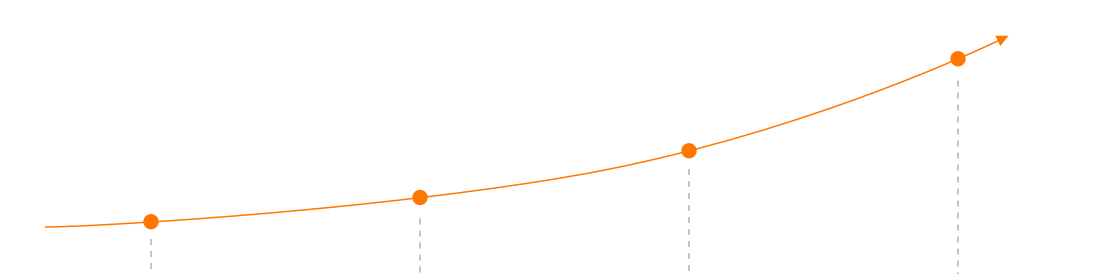
From Prototype to Production Platform
Biotech projects need investment levels matched to current requirements—not over-engineering for hypothetical future needs, and not under-building infrastructure that will require costly rewrites. Our development spectrum ensures appropriate investment at each stage.

Research Validation:
Prove It Works
Focused prototypes that test core scientific processes, integration feasibility with existing laboratory systems, and scalability potential. This stage validates technical risk, identifies process optimization opportunities, and produces realistic timeline estimates based on actual constraints—not optimistic projections. Deliverables: working prototype, feasibility assessment, and detailed roadmap.
Research Platform:
Make It Usable
Production-ready platform with core functionality operating reliably across research teams. Successful integration with existing LIMS. Research workflow management that works consistently with measurable efficiency gains. This stage emphasizes user adoption validation—do researchers actually use it?—and scalable architecture that supports future enhancement without requiring fundamental restructuring.
Commercial Platform:
Scale It Out
Platform ready for external clients with analytics, reporting, and integrations that pharmaceutical and biotech customers expect. Scalable architecture supporting commercial requirements. Production-ready connections with existing systems including compliance monitoring and performance tracking for research-intensive environments.
Industry Leadership:
Automate and Optimize
Advanced capabilities that differentiate your platform: predictive analytics for research outcomes and resource allocation, AI-assisted decision making for workflow routing, continuous optimization that adapts to changing conditions, and strategic consulting integration that turns the platform from cost center into revenue generator.
This progression ensures your investment scales appropriately with research growth while maintaining technical quality at every stage.
Engagement Models
Biotech projects require flexibility that accommodates research continuity and varying risk tolerance. Rather than forcing rigid approaches, we offer options that match how your organization actually works.
- Time & Materials – Maximum flexibility for evolving requirements
- Fixed-Price – Budget predictability for well-defined scope
- Hybrid – Combining both models as project phases require
- Discovery Workshop – Low-risk starting point for any engagement
Best for complex projects with evolving requirements
Time & Materials
For projects where requirements evolve or you need maximum control over direction, you pay for actual work performed with detailed time tracking and regular reporting. Works well for long-term partnerships, complex integrations, or projects where discovery happens alongside implementation. We provide estimates upfront and regular budget updates—no surprises.
Best for well-defined scope with predictable requirements
Fixed-Price
When scope is well-defined and you need budget certainty for approval processes, fixed-price works best. Specific platform implementations, system migrations, workflow optimization—projects where requirements are stable and measurable. Technical analysis is included in our quotes, deliverables are documented before implementation begins, and change management protocols eliminate scope creep.
Combines budget certainty with adaptive capability
Hybrid Approach
Many projects benefit from combining models—fixed-price for well-defined phases like initial automation or core integration, then time and materials for ongoing optimization based on feedback. Budget predictability for essential functionality while maintaining flexibility for continuous improvement as patterns emerge and requirements evolve.
2-3 week assessment providing detailed roadmap
Discovery Workshop
Every engagement starts with discovery—typically 2-3 weeks where we validate requirements, assess feasibility, and provide detailed estimates for your specific context. For biotech projects, discovery includes current state analysis, compliance assessment, and implementation planning. You get the information needed to make informed decisions about approach, timeline, and budget without committing to full implementation.
For deeper analysis of pricing models, see our detailed comparison of Time and Materials vs Fixed Fee.
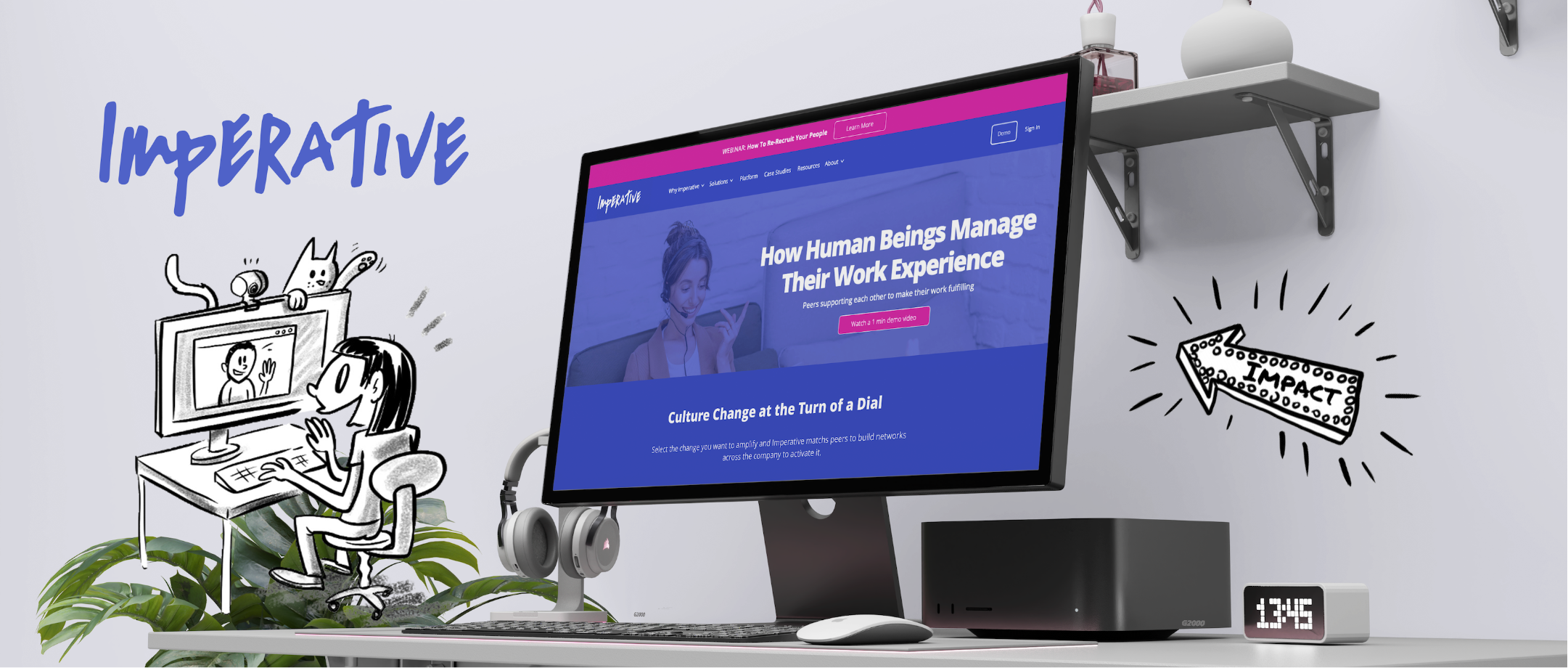
Long-Term Partnership:
Imperative Group
The best validation of our approach comes from partnerships that last. Rather than collecting testimonials from short projects, we prefer showing what sustained collaboration produces over years.
Partnership results:
- Complete technology leadership for their peer coaching platform
- 9+ years of continuous collaboration from startup to market leader
- $7+ million in revenue through the platform we built
- SOC 2 compliance and security implementation
- Daily communication and collaborative development
“One of the keys to our success was finding Jacek and Iterators. They’re great communicators. We’ve been in touch almost on a daily basis, collaborating on both a large and small scale. I’ve always had an authentic sense that they’re in it for our success first.”

What Long-Term Means
We don’t just deliver projects—we become part of your technology team. When clients achieve significant milestones, their success reflects the depth of partnership that defines how we work.
“The platform exceeded both customer and QA team expectations, delivering 10% above requirements.”
“Results speak for themselves, with over 500,000 downloads of the app thus far, highlighting the exceptional quality of the app and, by extension, Iterators craftsmanship.”
Teams Ready to Start
Biotech projects succeed or fail based on team expertise and domain understanding. We’ve built cohesive teams that integrate with your operations and deliver from day one. No recruitment delays, no ramp-up period—senior professionals ready to work on your specific challenges.
Senior-Level Expertise
Our teams have 5+ years of hands-on experience in biotech automation, compliance integration, and research optimization. These aren’t junior developers learning on your project—they’re professionals who’ve architected scientific systems, solved complex research challenges, and delivered platforms that passed institutional review. Each team includes project managers experienced in change management, QA specialists who understand both compliance validation and technical testing, and domain specialists with deep biotech automation expertise.

Active in the Research Community
Staying current requires more than reading documentation. Our team members publish scientific insights, speak at biotech conferences, and participate in research automation forums. This isn’t professional development theater—it’s how we ensure your project benefits from current approaches and proven patterns rather than outdated methods.

Proven Remote Collaboration
Years of successful partnerships taught us how to integrate with existing teams, processes, and cultures. Clear communication protocols for business-critical processes. Productivity maintained across time zones and working styles. Our approach complements your existing capabilities rather than replacing them—knowledge transfer and sustainability are built into how we work.
Long-Term Partnership Focus
We measure success by ongoing relationships, not project completion. Many client partnerships span over a decade, evolving from single projects to strategic consulting relationships. This perspective shapes every engagement—we’re building foundations for future growth, not just solving immediate problems.

Technology Stack
Biotech platforms require technology choices that prioritize reliability, compliance support, and maintainability over trend-following. We select technologies based on proven performance in research environments and alignment with your specific requirements—not framework popularity.
Backend: Scale and Performance
Scala and Apache Pekko for building concurrent, high-performance systems that handle enterprise-scale workflows. Node.js for research APIs and real-time coordination. Python for data processing, analytics, and ML pipelines. Java and Spring Boot when existing platform compatibility matters. Technology selection depends on your existing systems and integration requirements—not our preferences.
Workflow Automation
Advanced workflow engines on proven research frameworks. Intelligent document processing using OCR and AI recognition adapted for scientific documents. Automated task routing with decision-making for research workflows. Analytics platforms for process visibility. Integration frameworks connecting with LIMS, research databases, and management systems.
Infrastructure and DevOps
AWS and Azure for cloud infrastructure. Docker containerization and Kubernetes orchestration for scalable deployments. Terraform for infrastructure-as-code ensuring consistent environments across development, staging, and production. CI/CD pipelines with audit trails, reducing manual errors and enabling confident releases.
Data Management
PostgreSQL for applications requiring ACID compliance and complex scientific queries. MongoDB for document-based data and rapid prototyping. Elasticsearch for search functionality and audit trail analysis. DataDog and BI platforms for dashboards and performance tracking. Technology choices depend on your data integrity requirements and existing systems.
Why Technology Selection Matters
Our selections prioritize: proven scalability in research environments, long-term maintainability with vendor support, security practices required for biotech, and cost-effective operation that supports growth. We choose tools that serve your needs reliably for years—stability over novelty.
Evolution Without Disruption
We continuously evaluate new technologies and contribute to open source projects. But we implement new approaches in production only after thorough evaluation and testing—innovation without unnecessary risk or disruption to your research operations.
Frequently Asked Questions
Timelines depend on scope, complexity, and your specific requirements. Basic research automation: 4-6 months. Platform implementation: 8-18 months depending on integration requirements and change management needs. Our discovery workshop provides detailed estimates based on your specific context. We prefer realistic timelines that ensure sustainable adoption over rushed implementations that compromise long-term success.
Everything needed for success: current state analysis, automation design and implementation, system integration and data migration, testing across research scenarios, change management and training, documentation and procedures, post-implementation monitoring and optimization, and knowledge transfer to your teams. No surprise costs, no incomplete deliverables. Our goal is systems that work reliably in production—not just systems that pass acceptance testing.
Compliance is built into our process from day one. Every implementation phase includes parallel system testing, phased deployment maintaining critical processes, rollback procedures, and continuous monitoring. We follow industry best practices, implement proper access controls and audit trails, and ensure adherence to relevant standards. For enterprise clients: disaster recovery, backup systems, and advanced monitoring that prevents disruption.
Deployment starts the partnership, not ends it. We provide monitoring to ensure optimal performance, gather feedback to identify improvement opportunities, implement enhancements based on real-world patterns, and offer ongoing development and optimization. Our support includes reactive issue resolution and proactive improvement—identifying challenges before they impact performance. Many clients continue working with us for years.
Yes—and we’re good at it. We work as an extension of your team, take ownership of specific processes while maintaining seamless integration, provide mentorship and knowledge transfer, or lead specific aspects while collaborating closely with your stakeholders. Our approach is collaborative rather than disruptive. We amplify your team’s capabilities rather than replacing them.
Requirement evolution is natural in biotech projects. Agile methodologies build flexibility into the process. Regular review sessions where you adjust direction. Detailed change tracking for transparency about scope modifications. Both time-and-materials and fixed-price options depending on your preference for handling changes. Our goal is delivering systems that meet your actual needs—which sometimes means adapting as you learn more through seeing working systems.
Start a Conversation
Starting a conversation doesn’t require formal procurement or commitments. The best partnerships begin with understanding your challenges and objectives.
Our conversations help you clarify requirements, explore approaches, and understand what’s possible within your timeline and budget. These aren’t sales calls—they’re planning sessions where we share insights from similar projects and help you make informed decisions. Whether you’re exploring options, validating an approach, or ready to move forward, we provide honest guidance tailored to your situation.
During consultation: your current challenges and objectives, automation approaches and potential solutions, insights from similar projects, realistic timelines and engagement options, and answers to your questions about our process and capabilities. You leave with clearer understanding of your options and next steps—regardless of whether we work together.
We respond to inquiries within the same business day. Most initial consultations are scheduled within 48 hours of first contact. Our team includes biotech specialists who understand both research and business aspects of your challenges.
Schedule through our online calendar for immediate confirmation. Call for same-day availability. Email with specific questions and we’ll respond with detailed guidance. We accommodate your preferred communication style and schedule, including early morning or evening calls for urgent projects or international coordination.
We provide value in every interaction, whether it leads to a project or not. Our reputation is built on honest assessments and realistic recommendations—not sales tactics or unrealistic promises. Many of our best client relationships started with informal conversations that evolved into long-term partnerships over time.
The most common feedback about our initial conversations: appreciation for our direct, knowledgeable approach and willingness to share insights freely before any formal engagement. Great partnerships start with transparency and mutual respect—values that guide every interaction.

Jacek Głodek
Founder & Managing Partner
of Iterators