Shared services that actually reduce costs—not just digitize existing processes
Shared Services Center Solutions
We build shared services platforms that deliver measurable efficiency gains through AI-powered automation, intelligent process routing, and enterprise integration that works with your existing systems. KliX, our platform for a multinational professional services firm, has supported 5,500+ employees across 50+ countries since 2016—combining time tracking, profitability analysis, and workflow coordination in one system.
Get Your Shared Services Estimate Schedule Consultation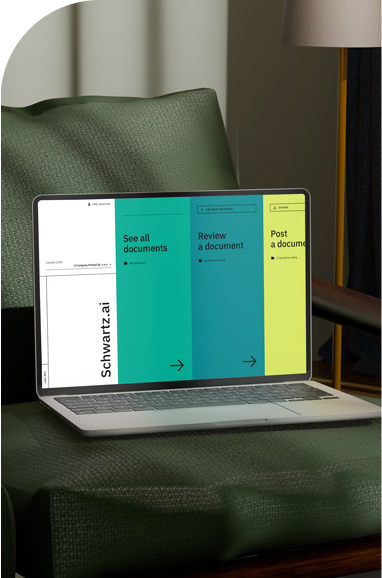
Why Most Shared Services Transformations Fail
Organizations spend millions on shared services “transformation” that produces digitized versions of broken processes. Moving paper handoffs to email chains and calling it automation doesn’t reduce costs—it adds technical overhead to existing inefficiency. Real shared services value comes from rethinking workflows, not just putting them online.
Remote Work Exposed Infrastructure Gaps
Shared services centers were traditionally on-site environments where face-to-face interactions drove collaboration and oversight. When remote work became the norm, processes that relied on physical document handling, email chains, and informal supervision suddenly needed seamless online workflows, real-time document sharing, and robust audit trails.
The shift wasn’t about replicating processes online—it required operational rethinking to handle larger volumes, ensure transparency, and maintain productivity at scale. Organizations that adapted their workflows rather than just their tools gained measurable advantages.
AI Changes What’s Possible
Two things have changed shared services fundamentally. First, online process migration enables real-time visibility. Every stakeholder can monitor task status, identify bottlenecks, and intervene before problems escalate. Processes are trackable and continuously optimizable.
Second, AI has moved beyond traditional RPA. While old-school automation handled simple rule-based tasks, modern AI reads unstructured documents, makes contextual decisions, and routes tasks based on complex criteria. Invoices are categorized and routed with minimal human intervention. AI provides insights that previously required expert analysis.
Why Implementations Fail to Deliver
Most shared services implementations fail because organizations try implementing modern solutions with outdated methodologies—leaning on low-code platforms that can’t handle complex edge cases or integrate with enterprise systems. This creates inefficiencies and scalability limitations that undermine the investment.
More critically, many organizations automate existing processes rather than optimizing workflows first. Without strategic frameworks for measuring success and adapting over time, initiatives become underutilized software investments rather than operational transformations.
The Difference Between Digitization and Optimization
Basic digitization moves manual processes online, often adding bureaucratic layers without improving workflow efficiency. Real optimization leverages AI-powered document processing, intelligent automation, and predictive analytics to streamline entire operational ecosystems.
The economic impact is substantial: AI and automation reduce costs for routine tasks like invoice processing, which operate predictably 90% of the time. This frees skilled workers from mundane activities to focus on consulting, analysis, and strategic work where human expertise creates irreplaceable value.
What We Build
We approach shared services as sophisticated technology implementations requiring business process expertise and architectural precision—not digitization projects with workflow diagrams.
Process Analysis and Technology Planning
Shared services assessment starts with understanding your current workflows, cost structures, and objectives. We evaluate which processes benefit from automation versus human expertise, assess integration requirements with existing systems, and develop transformation roadmaps based on measurable ROI—not theoretical efficiency gains.
Workflow Automation and Integration
Cross-functional process automation with intelligent workflow design that eliminates bottlenecks while maintaining audit trails and compliance. Document processing with OCR and AI recognition. Task routing engines with decision-making capabilities. Integration with existing ERP, CRM, and financial systems.
AI-Powered Process Optimization
AI that goes beyond simple rule-based automation. Unstructured document processing handling complex invoice formats and contract analysis. Intelligent task assignment based on workload balancing and expertise matching. Real-time process optimization that continuously improves workflow efficiency based on actual usage patterns.
Enterprise-Scale Platforms
Production-scale operations with backend integration, performance monitoring, analytics, and governance frameworks. Multi-tenant architecture supporting different business units. Reporting and analytics for operational visibility. Security compliance including SOC 2, GDPR, and industry-specific regulations. Scalable infrastructure supporting growth from hundreds to thousands of daily transactions.
Predictive Analytics and Process Intelligence
Predictive analytics that forecast demand, optimize resource allocation, and identify improvement opportunities before bottlenecks occur. Workload prediction. Automated capacity planning. Performance benchmarking. Strategic consulting that transforms shared services from cost centers into value-generating business units.
How We Work
Shared services transformation requires structured phases that balance operational continuity with technological advancement. Our process minimizes business disruption while maintaining compliance and stakeholder collaboration.
What This Approach Delivers
This process has been refined through shared services implementations including KliX’s multinational deployment. You benefit from tested methodologies that minimize disruption while delivering measurable operational improvement.
Case Study:
KliX – Enterprise Shared Services Platform
The Problem
A multinational professional services firm with 5,500+ employees across 100+ offices in 50+ countries needed a system to unify internal operations. They operate across legal, tax, outsourcing, IT, and management consulting—requiring cohesive management of time tracking, profitability analysis, reporting, offer creation, and invoicing.
This wasn’t just time tracking. They needed centralized, data-driven capabilities supporting profitability analysis, customized reporting, dashboard-driven insights, and invoicing—all within a scalable ecosystem aligned with their business excellence standards.
Our Approach
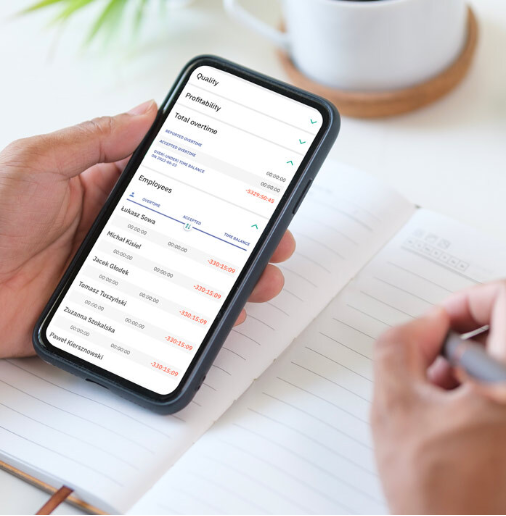
We designed and developed KliX—a platform integrating core operational capabilities:
- Time recording
- Profitability calculations
- Offer creation workflows
- Invoicing support
- Custom dashboards and reporting
We designed KliX to reflect how the client’s teams actually operate—streamlining rather than restructuring their work. The system was tailored to day-to-day workflows of accountants and payroll professionals, not generic automation.

What We Built
The architecture centered on deep domain understanding. We mirrored the procedures used by accounting professionals, enabling smooth digital transition and high adoption across service lines and countries.
- Operational modeling aligned with how teams manage time, resources, and financial outcomes
- Custom reporting modules enabling access to insights relevant to business excellence KPIs
- Integrated dashboards tracking productivity, process efficiency, and profitability in real time
- Scalable architecture using Scala backend and React frontend supporting thousands of users across time zones and languages
KliX was designed without relying on complex process automation or regulatory compliance auditing. Instead, it supports human workflows providing intuitive tools and visibility to help teams perform and improve consistently.
Results
- 2016-ongoing continuous partnership with sustained platform growth across 50+ countries
- 5,500+ employees across 100+ offices using the platform daily
- Business process excellence monitoring enabling data-driven insights into team productivity
- Streamlined operations improving coordination between departments and regions
- Tailored dashboards and reports reinforcing business excellence framework

“KliX is a very simple tool to use and to configure according to the needs of your company and your team in particular. You can monitor hours spent on each project and check if projects is profitable. It helps you manage and monitor the work in your team because you can see in real time the workload of each team member.”

What This Project Taught Us
Shared services success in global professional services requires operational flexibility supporting diverse methodologies while maintaining process consistency across jurisdictions. Analytics must provide operational insights and business excellence demonstration across service lines. Scalable architecture supports long-term growth without fundamental rebuilds as organizations expand.
The long-term partnership demonstrates how shared services technology becomes a strategic enabler—creating advantages through superior efficiency, productivity monitoring, and process excellence measurement driving continuous improvement across disciplines and locations.
More Shared Services Projects
QUICO.IO:
HR Technology Platform
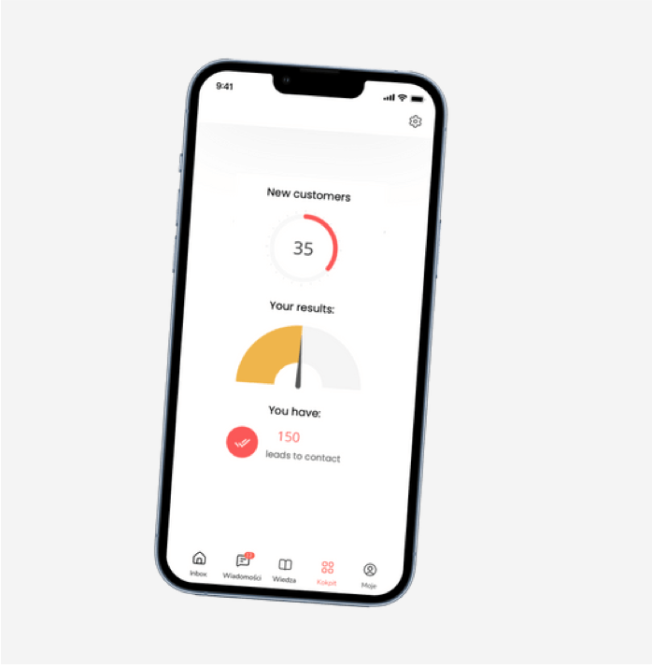
Operational support for HR technology platform serving enterprise clients through SaaS-based training. Cross-platform coordination for large, distributed workforce training programs. Client onboarding workflows, automated reporting, and scalable infrastructure supporting enterprise rollouts.
Helping Hand:
Healthcare Services Coordination
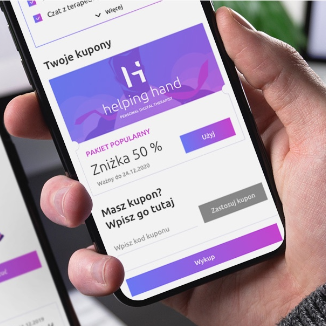
Operational coordination for AI-powered therapy platform with 24/7 accessibility across European markets. Multi-stakeholder coordination including therapists, patients, and support communities with healthcare compliance. Automated scheduling, secure communication, and cross-platform consistency.

Virbe:
SaaS Platform Operations
Operational excellence for Virtual Beings SaaS platform requiring backend coordination and client management workflows. Platform exceeded both customer and QA team expectations through operational automation and quality management systems.
From Prototype to Enterprise Platform
Shared services investment should match current requirements—not over-engineering for hypothetical needs, but not under-building infrastructure that requires costly rewrites. Our development spectrum ensures appropriate investment at each stage.


Proof of Concept: Validate the Approach
Process analysis and workflow validation through basic automation prototypes testing core workflows, integration feasibility, and efficiency improvement potential. ROI validation, process optimization identification, and realistic timeline estimation based on operational constraints. Deliverables: working prototype, efficiency assessment, detailed roadmap.
MVP: Integrated Platform
Market-ready platform with core automation functionality operating reliably across business units. Integration with existing enterprise systems. Workflow management working consistently across operational requirements with measurable efficiency improvements. User adoption validation and scalable architecture supporting future enhancement without restructuring.
Production: AI-Powered Optimization
Production-grade platform with intelligent automation rivaling manual efficiency. Analytics and reporting. Testing across operational scenarios. Scalable architecture supporting enterprise requirements. Production-ready integration with ERP, CRM, and financial systems including error handling and performance monitoring.
Advanced: Predictive Intelligence
Predictive analytics forecasting operational demand and optimizing resource allocation. AI-powered decision making for workflow routing and exception handling. Process intelligence continuously identifying improvement opportunities. Real-time optimization adapting to changing conditions. Strategic consulting transforming shared services from cost centers into value-generating units.
This progression ensures investment scales with business growth while maintaining operational excellence at every stage.
Engagement Models
Every organization has different constraints and preferences. We offer engagement models matching how your business works—flexibility where you need it, predictability where you don’t.
Best for complex transformations with evolving requirements
Time & Materials
For projects where requirements evolve, scope needs adjustment, or you want maximum control over direction. You pay for actual work with detailed tracking and reporting. Works well for long-term partnerships, complex integrations, or projects where discovery happens alongside development. Estimates upfront and budget updates—no surprises.
Best for well-defined scope with predictable requirements
Fixed-Price
When scope is defined and you need budget certainty. Works best for MVP development, system migrations, or feature additions where requirements are stable. Requirements analysis included in quotes, deliverables documented before work begins.
Budget certainty with adaptive capability
Hybrid Approach
Many projects combine both—fixed-price for well-defined phases like core functionality, then time and materials for ongoing optimization based on usage feedback. Budget predictability for essential functionality with flexibility for iteration.
1-2 week assessment with detailed roadmap
Discovery Workshop
Every engagement starts with discovery—typically 1-2 weeks validating requirements, assessing technical feasibility, and providing estimates. For shared services: process analysis, integration requirements, and change management planning. You get information needed to make informed decisions about approach, timeline, and budget.
Long-Term Partnership:
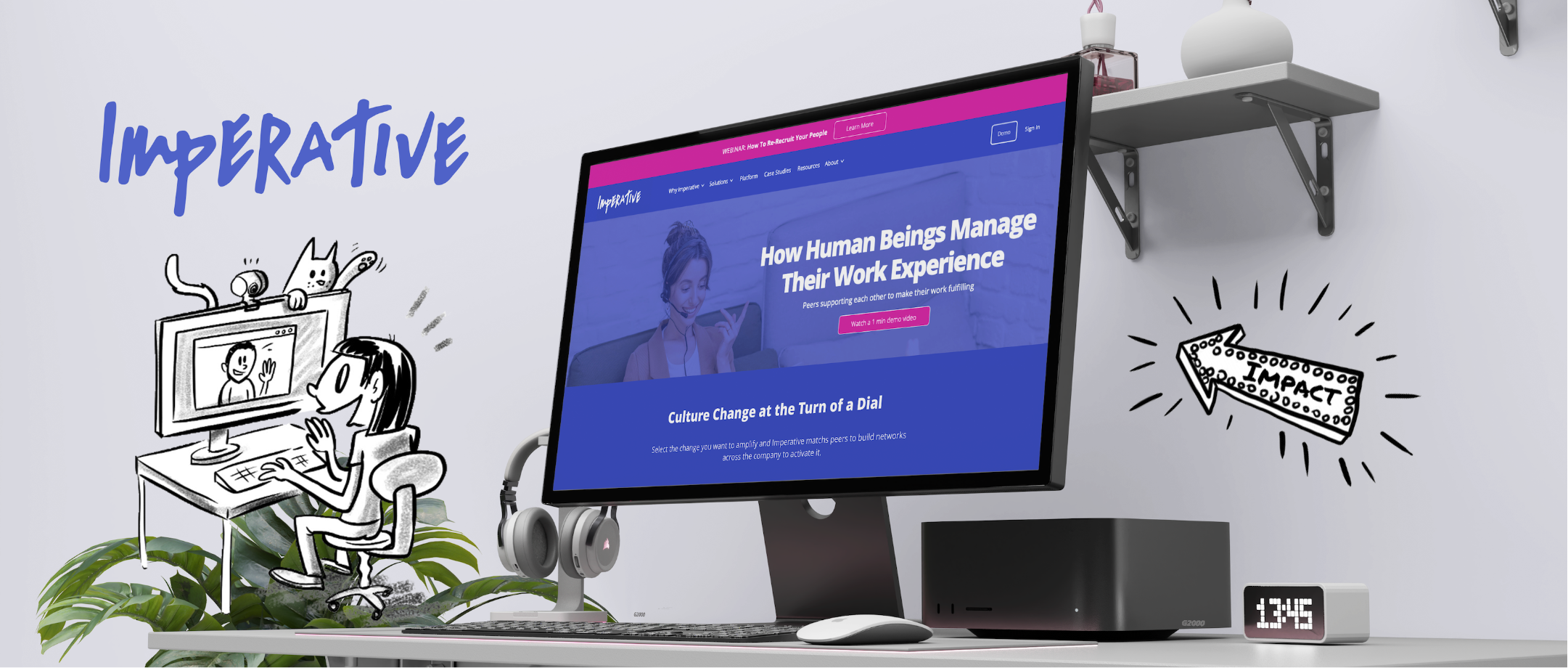
Imperative Group
The best validation of our approach comes from partnerships that last. Rather than collecting testimonials from short projects, we prefer showing what sustained collaboration produces over years.
Partnership results:
- Complete technology leadership for their enterprise coaching platform
- 9+ years of continuous collaboration from startup to enterprise scale
- $7+ million in revenue through the platform we built
- SOC 2 compliance for corporate client requirements
- Daily communication and collaborative problem-solving
“One of the keys to our success was finding Jacek and Iterators. They’re great communicators. We’ve been in touch almost on a daily basis, collaborating on both a large and small scale. I’ve always had an authentic sense that they’re in it for our success first.”

What Long-Term Means
We don’t just implement systems—we become part of your operations team. When clients achieve business milestones through operational excellence, their success reflects the partnership depth that defines how we work.
Teams Ready to Start
Team expertise and organizational integration determine transformation success. We’ve built cohesive teams that integrate with your operations and deliver measurable improvements from day one. No recruitment delays, no learning curves—expert professionals ready to optimize your shared services.
Senior-Level Expertise
Our teams include senior developers and process analysts with 5+ years experience in shared services automation, enterprise integration, and operational optimization. These aren’t junior developers learning on your transformation—they’re professionals who’ve solved process challenges, architected operational systems, and delivered automation platforms. Each team includes project managers experienced in change management, QA specialists understanding both operational and technical testing, and shared services specialists.

Open Source Contributors
Staying current requires more than reading documentation. Our team members contribute to open source, publish operational insights, speak at conferences, and participate in workshops. This isn’t professional development theater—it’s how we ensure your transformation benefits from current approaches and tested patterns.

Proven Remote Collaboration
Years of successful partnerships taught us how to integrate with existing teams, processes, and culture. Clear communication protocols for business-critical processes. Productivity across different schedules and working styles. Our approach complements your existing operational capabilities rather than replacing them—ensuring knowledge transfer and long-term sustainability.

Long-Term Partnership Focus
We measure success by ongoing relationships and continuous improvement, not transformation delivery. Many client partnerships span over a decade, evolving from single projects to strategic consulting relationships. This perspective shapes every engagement—we’re building foundations for future growth, not just solving today’s challenges.

Technology Stack
Technology selections based on proven performance in enterprise environments, operational integration capabilities, and alignment with your requirements—not automation trends or vendor preferences.
Backend: Scale and Performance
Scala and Pekko for concurrent, high-performance process automation handling enterprise-scale workflows. Node.js for operational APIs and real-time coordination. Python for data processing, analytics, and intelligent automation. Java and Spring Boot for enterprise integration. Backend expertise ensures optimal workflow engine design and operational coordination.
Process Automation and Workflows
Process engines on proven enterprise frameworks. Intelligent document processing using OCR and AI. Automated task routing with decision-making capabilities. Workflow analytics for operational visibility. Business intelligence for improvement identification. Integration frameworks connecting with ERP, CRM, and financial systems.
Infrastructure and DevOps
AWS and Azure for cloud infrastructure. Docker and Kubernetes for scalable deployments. Terraform for infrastructure-as-code ensuring consistent environments. CI/CD pipelines automating testing and deployment. Shared services deployment includes operational monitoring and automated backup for business continuity.
Data Management and Analytics
PostgreSQL for ACID compliance and complex workflow queries. MongoDB for document-based process data. Elasticsearch for operational search and audit trail analysis. DataDog for monitoring. BI platforms for operational dashboards and performance tracking.
Why Technology Selection Matters
Our selections prioritize: proven scalability in operational environments, long-term maintainability for business-critical systems, enterprise security and compliance, cost-effective operational efficiency. We choose tools that serve your needs reliably for years—with clear upgrade paths and strong ecosystem support.
Evolution Without Disruption
We continuously evaluate new automation technologies and approaches. But we implement new technologies in production only after thorough evaluation—ensuring you benefit from innovation without unnecessary operational risk or business disruption.
Frequently Asked Questions
Timelines depend on scope, integration complexity, and change management requirements. Basic process automation: 3–4 months. Full shared services platform: 6–12 months depending on enterprise integrations and organizational change needs. Our discovery workshop provides detailed estimates based on your context. We prefer realistic timelines ensuring sustainable adoption over rushed implementations that compromise success.
Everything needed for successful transformation: current state analysis, process automation design and implementation, enterprise integration and data migration, testing across operational scenarios, change management support and user training, documentation and procedures, post-implementation monitoring, and knowledge transfer. No surprise costs—when we commit to scope, we deliver everything needed for success.
Continuity is built into our process from day one. Parallel system testing validating functionality before cutover. Phased deployment maintaining critical processes throughout. Rollback procedures for any issues. Continuous monitoring ensuring performance standards. Industry best practices for change management, access controls, audit trails, and compliance. For enterprise clients: disaster recovery, backup systems, and advanced monitoring preventing disruption.
Deployment begins the partnership. Monitoring ensuring optimal performance across integrated processes. User feedback identifying improvement opportunities. Performance enhancements based on real-world patterns. Ongoing feature development and optimization. Reactive issue resolution and proactive improvement identifying challenges before they impact performance. Many clients continue working with us for years as processes evolve.
Yes—and we’re good at it. We work as an extension of your operations team, take ownership of specific processes while maintaining integration, provide mentorship and knowledge transfer, or lead transformation while collaborating with stakeholders. Our approach is collaborative—we amplify your team’s capabilities and institutional knowledge, not replace them.
Requirement evolution is natural in transformation. Agile methodologies building flexibility into the process. Regular review sessions where you adjust direction. Detailed change tracking for transparency. Time-and-materials and fixed-price options depending on your preference. We deliver systems meeting actual needs—which sometimes means adapting as you learn more through seeing working automation.
Start a Conversation
Starting a conversation doesn’t require procurement or formal commitments. The best partnerships begin with understanding.
Our conversations help you clarify requirements, explore approaches, and understand what’s possible within your timeline and budget while maintaining continuity. These aren’t sales calls—they’re planning sessions where we share insights from similar transformations. Whether you’re exploring options or ready to move forward, we provide honest guidance tailored to your situation.
During consultation: your operational challenges and objectives, automation approaches, insights from similar transformations, realistic timelines and options accommodating change management, and answers about our process and team. You leave with clearer understanding of your options—regardless of whether we work together.
We respond within the same business day. Most consultations scheduled within 48 hours of first contact. Our team includes shared services specialists who understand both operational and business aspects of your challenges.
Schedule through our calendar for immediate confirmation. Call for same-day availability. Email with specific questions and we’ll respond with detailed insights. We accommodate your preferred communication style, including early morning or evening calls for international coordination.
We provide value in every interaction, whether it leads to a project or not. Our reputation is built on honest assessments and realistic recommendations—not sales tactics or unrealistic automation promises. Many of our best relationships started with informal conversations that evolved into partnerships over time.
The most common feedback about our initial conversations: appreciation for our direct approach and willingness to share insights freely before engagement. Great partnerships start with transparency and mutual respect—values that guide every interaction.

Jacek Głodek
Founder & Managing Partner
of Iterators