Travel software that handles perishable inventory, external API failures, and 100x traffic spikes
Travel Software Development Services
We build travel platforms that manage inventory across multiple providers, sync with external APIs that weren’t designed to work together, and function when users lose signal at 30,000 feet. Our Obi ride aggregation platform hit 500,000 downloads by solving the hard problems: real-time price comparison across Uber and Lyft, intelligent booking fallbacks when APIs timeout, and mobile experiences that work offline.
Get Your Travel Technology Quote Schedule Technical Consultation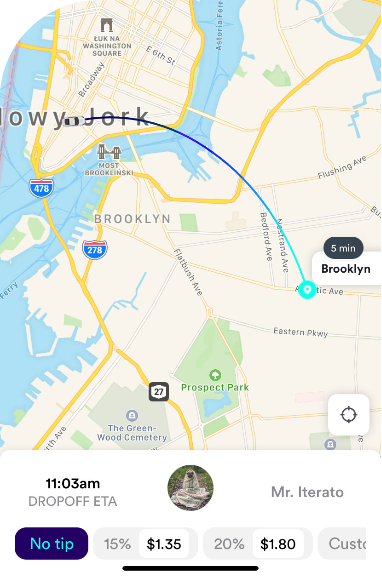
Why Travel Software Is Different
Travel platforms fail because developers treat them like e-commerce sites. They’re not. Travel inventory is perishable, interdependent, and externally vulnerable in ways that break standard software patterns. Understanding these differences determines whether your platform survives peak booking periods.
Post-Pandemic Travel Broke Traditional Booking Models
The shift toward small-group, hyper-personalized travel has broken traditional booking architecture. Modern platforms now connect individual travelers with local guides and custom experiences that don’t exist until someone books them—while simultaneously delivering AI recommendations based on personal travel behavior rather than generic popularity metrics. The software challenge isn’t processing standardized inventory anymore. It’s orchestrating human connections at scale, managing one-off experiences, and understanding individual travel personalities and risk tolerance. Travel software evolved from booking engine to travel intelligence platform that curates relationships between travelers and local experiences in real-time.
Mobile-First Travel Demands Different Architecture
Mobile travel apps must solve problems that don’t exist in desktop e-commerce—systems that work offline when users lose signal mid-flight, mobile payment handling, notifications that don’t drain battery during long travel days. The architecture complexity increases because travel apps must function as offline-first systems that sync when connectivity returns, handle location-based features, and integrate with device capabilities. Desktop platforms assume constant internet and keyboard input. Mobile travel architecture must account for intermittent connectivity, limited screen space, and users who need critical information instantly while juggling luggage and boarding passes.
Travel Inventory Isn’t E-Commerce Inventory
Travel inventory is the antithesis of traditional e-commerce because it’s perishable, interdependent, and externally vulnerable. While Amazon manages widgets that stay the same until sold, travel platforms manage inventory that expires worthless every night, can be sold simultaneously across dozens of channels, gets wiped out by weather or political events, and exists in bundles where canceling a flight destroys the value of a hotel booking. The challenge isn’t tracking availability—it’s managing inventory that changes value based on time, weather, geopolitics, and the booking status of completely different services. Travel inventory management is real-time risk assessment disguised as e-commerce.
Your Platform Is Only As Fast As Your Slowest External API
Travel platforms don’t fail because of traffic—they fail because they depend on external APIs that can’t scale at the same rate. When demand spikes 100x, your servers might handle it perfectly, but if airline booking systems throttle requests or hotel APIs start timing out, your entire platform breaks down. Unlike regular e-commerce where you control inventory, travel booking creates immediate conflicts when thousands of users compete for the same limited rooms or flights. Travel platforms are only as fast as their slowest external dependency, and during peak periods, you’re coordinating multiple third-party systems that were never designed to work together under extreme load.
From Booking to Travel Management: Architectural Complexity
The jump from simple booking to travel management isn’t adding features—it’s architectural warfare. Simple booking systems handle transactions that start and end cleanly. Management platforms must handle ongoing trip states, corporate approval workflows, real-time policy enforcement, and multi-year analytics simultaneously. The complexity explosion happens because you’re no longer just connecting to a few suppliers—you’re integrating with corporate HR systems, expense management, accounting software, and risk management feeds while maintaining user hierarchies and permission systems. Simple platforms process payments and send confirmations. Management platforms handle corporate credit allocation, budget tracking across cost centers, tax compliance in multiple jurisdictions, and financial reporting that satisfies both travel managers and CFOs.
What We Build
We approach travel platforms as specialized systems—not e-commerce sites with airline integration. The difference matters when external APIs start timing out and users are trying to book before their flight leaves.
Platform Architecture and API Integration
We start by mapping your booking workflows, inventory management, and customer journeys. We assess which external APIs need integration optimization, what happens when they fail, and how mobile architecture handles offline scenarios. Our analysis includes peak load testing, external dependency mapping, and failure mode planning—the things that determine whether your platform works on Christmas morning when everyone’s trying to book last-minute flights.
Booking Systems with Multi-Provider Sync
Cross-platform booking development with intelligent inventory management for perishable travel products. Dynamic pricing engines with real-time adjustments. Bundling systems that handle flight-hotel-car interdependencies where canceling one destroys the value of others. Error handling for when airlines throttle requests, hotels return stale data, and transportation APIs timeout. We build retry mechanisms and fallback strategies that maintain booking functionality when third-party systems fail.
Personalization and Recommendation Systems
Travel recommendations that go beyond search results. Data processing that analyzes preferences from booking history and behavior patterns. Destination matching based on actual user preferences—budget travelers get different suggestions than business travelers, and frequent flyers get different options than once-a-year vacationers. Recommendation engines that improve over time by learning individual travel styles, constraints, and timing preferences.
Corporate Travel Management Platforms
Production-scale travel operations with corporate integration, policy enforcement, and approval workflows. Multi-tenant architecture supporting different business units with varying travel policies. Reporting and analytics for travel managers and finance teams. Compliance frameworks including expense management and tax reporting across jurisdictions. Scalable infrastructure that supports growth from hundreds to thousands of simultaneous bookings without degrading external API performance.
Mobile Apps That Work Offline
Mobile applications that function in disconnected travel environments. Offline booking capabilities with seamless sync when connectivity returns. Mobile payment integration, location-based features, and battery-optimized architecture that performs during long travel days. We build mobile experiences that work across varying network conditions—because travelers don’t always have great signal.
How We Work
Travel platform development requires structured phases that account for external dependencies, peak load scenarios, and mobile-first architecture. Our process is designed to surface integration problems early—before they become expensive production issues.
What This Approach Delivers
This process has been refined through travel platform builds including Obi’s ride aggregation system. You benefit from tested methodologies that minimize business disruption while handling travel-specific complexity.
Case Study:
Obi – Ride Aggregation Platform
The Problem
Obi needed a ride aggregation platform from scratch—an app that integrates Uber, Lyft, and public transportation into one unified booking experience. This wasn’t another booking app. It required coordinating real-time data from multiple providers: pricing, waiting times, and bookings across different transportation systems that weren’t designed to work together.
The technical complexity: transportation inventory changes constantly, pricing fluctuates with demand, and booking conflicts occur when users compete for the same ride. The platform had to integrate with external ride APIs while maintaining consistent UX and reliable performance during demand spikes.
Our Approach
We designed architecture that addressed both immediate functionality and scale. The aggregation system coordinates multiple providers, manages real-time inventory, and presents consolidated pricing and availability.
The backend handles concurrent API calls to multiple transportation providers, intelligent routing to optimize booking success, and error handling when external APIs fail—because they do. We designed for the reality that Uber and Lyft APIs don’t always respond the way their documentation says they will.
What We Built
Scala backend with React Native mobile app. API orchestration layer that queries multiple transportation providers simultaneously, aggregates results, and presents unified options. Intelligent caching for external API rate limits. Real-time pricing updates. Booking conflict resolution.
Key components: distributed booking engine handling concurrent requests across providers, real-time sync maintaining accurate pricing and availability, notification system for booking status and trip updates. React Native delivered native-quality experience with efficient cross-platform development.
Results
The partnership delivered:
- 500,000+ downloads demonstrating market validation
- Seamless integration with Uber, Lyft, and public transit
- Real-time aggregation of pricing and availability across providers
- Scalable architecture supporting rapid growth and expanding provider network
- Production reliability that maintained performance during demand spikes

“Results speak for themselves, with over 500,000 downloads of the app thus far, highlighting the exceptional quality of the app and, by extension, Iterators craftsmanship.”

Ongoing Partnership
The platform’s success—500,000 downloads while maintaining reliability across multiple external integrations—demonstrates what happens when travel software is built by developers who understand the domain-specific challenges. The engineering foundation continues to support Obi’s growth and market expansion.
What This Project Taught Us
Travel aggregation succeeds with external API integration that actually handles failure modes, scalable architecture that supports growth without performance degradation, and UX that abstracts backend complexity into simple interfaces. The lessons from coordinating multiple transportation providers apply across travel segments—from aggregation to management platforms that require similar technical depth.
From Prototype to Production Platform
Travel platform investment should match current needs—not over-engineering for hypothetical requirements, and not under-building infrastructure that requires costly rewrites. Our development spectrum ensures appropriate investment at each stage.


Assessment: Validate Before Building
Platform analysis and workflow validation through prototypes that test core booking workflows, external API feasibility, and performance under different scenarios. This stage validates your business model, assesses external dependencies, and produces realistic timeline estimates based on actual travel constraints. Deliverables: working prototype, API integration assessment, and roadmap with travel-specific considerations.
MVP: Market-Ready Booking Platform
Market-ready platform with core functionality operating reliably across devices and channels. Successful integration with essential travel APIs. Mobile-optimized UX that works across varying network conditions with measurable booking conversion. MVP stage emphasizes user adoption validation, core functionality completeness, and scalable architecture that supports future expansion without fundamental restructuring.
Production: Enterprise Travel Management
Production-grade platform with booking management that handles complex scenarios reliably. Analytics and reporting for travel managers and finance teams. Testing across peak periods and API failure scenarios. Scalable architecture supporting enterprise requirements. Production-ready integration with corporate travel systems including approval workflows and expense management.
Future: Autonomous Fleet Coordination
Advanced capabilities preparing platforms for autonomous vehicle transition: fleet coordination systems managing shared autonomous networks, cooperative ownership platforms enabling community-owned transportation assets, decentralized booking across multiple fleet operators. Systems that bridge current ride-sharing with emerging cooperative transportation structures—from booking intermediaries into infrastructure supporting community-owned mobility networks.
This progression ensures travel technology investment scales appropriately with business growth while maintaining technical quality at every stage.
Engagement Models
Every business has different constraints and preferences. We offer engagement models that match how your organization works—flexibility where you need it, predictability where you don’t.
Best for complex projects with evolving requirements
Time & Materials
For projects where requirements evolve, scope needs adjustment, or you want maximum control over direction. You pay for actual work with detailed tracking and regular reporting. Works well for long-term partnerships, complex multi-provider integrations, or projects where discovery happens alongside development. We provide estimates upfront and budget updates—no surprises.
Best for well-defined scope with predictable requirements
Fixed-Price
When scope is defined and you need budget certainty. Works best for specific platform MVPs, API integrations, or feature additions to existing systems. Requirements analysis included in quotes, deliverables documented before work begins.
Budget certainty with adaptive capability
Hybrid Approach
Many projects combine both—fixed-price for well-defined phases like initial booking development, then time and materials for ongoing features and optimization based on user feedback. Budget predictability for core functionality while maintaining flexibility for iteration.
2-3 week assessment with detailed roadmap
Discovery Workshop
Every engagement starts with discovery—typically 2-3 weeks validating requirements, assessing feasibility, and providing detailed estimates. For travel platforms: external API assessment, mobile requirements, and scalability planning. You get information needed to make informed decisions about approach, timeline, and budget.
Always Included
Regardless of model: documentation, post-launch support, knowledge transfer, and commitment to long-term partnership. No hidden costs or surprise fees—everything is transparent from the first conversation.
For deeper analysis of pricing models, see our comparison of Time and Materials vs Fixed Fee.
Long-Term Partnership:
Imperative Group
The best validation of our approach comes from partnerships that last. Rather than collecting testimonials from short projects, we prefer showing what sustained collaboration produces over years.
Partnership results:
- Complete technology leadership for their peer coaching platform
- 9+ years of continuous collaboration from startup to market leader
- $7+ million in revenue through the platform we built
- SOC 2 compliance and security implementation
- Daily communication and collaborative development
“One of the keys to our success was finding Jacek and Iterators. They’re great communicators. We’ve been in touch almost on a daily basis, collaborating on both a large and small scale. I’ve always had an authentic sense that they’re in it for our success first.”

What Long-Term Means
We don’t just deliver projects—we become part of your technology team. When clients achieve significant milestones, their success reflects the depth of partnership that defines how we work.
“The platform exceeded both customer and QA team expectations, delivering 10% above requirements.”
“Results speak for themselves, with over 500,000 downloads of the app thus far, highlighting the exceptional quality of the app and, by extension, Iterators craftsmanship.”
Teams Ready to Start
Team expertise and chemistry determine project success. We’ve built cohesive teams that integrate with your organization and deliver from day one. No recruitment delays, no ramp-up—senior professionals ready to work on travel platform challenges.
Senior-Level Expertise
Our teams have 5+ years of hands-on experience. These aren’t junior developers learning on your project—they’re professionals who’ve solved complex problems, architected scalable systems, and delivered business-critical applications. Each team includes project managers experienced in agile, QA specialists who understand both automated and manual testing, and travel specialists with deep understanding of booking systems, external API integration, and mobile-first architecture.

Open Source Contributors
Staying current requires more than reading documentation. Our team members contribute to open source, publish technical content, speak at conferences, and participate in technology workshops. This isn’t professional development theater—it’s how we ensure your project benefits from current approaches and tested patterns.

Proven Remote Collaboration
Years of successful remote partnerships taught us how to integrate with existing teams and processes. Clear communication protocols, productivity across time zones, and working styles that complement your team rather than replace it. Knowledge transfer and sustainability built into how we work.

Long-Term Partnership Focus
We measure success by ongoing relationships, not project delivery. Many client partnerships span over a decade, evolving from single projects to technology partnerships. This perspective shapes every engagement—we’re building foundations for future growth, not just solving today’s problems.

Technology Stack
Technology selections based on proven production performance, long-term viability, and alignment with your requirements—not framework popularity or personal preferences.
Backend: Scale and Performance
Scala and Play Framework for distributed, high-concurrency systems that handle enterprise loads. Node.js for API services and real-time applications. Python for data science and automation. Java and Spring Boot for enterprise integrations. For travel platforms: optimized API orchestration and real-time booking coordination.

Frontend and Mobile
React.js for complex, interactive web interfaces. React Native for native-quality mobile experiences with efficient cross-platform development. TypeScript for larger applications requiring enhanced reliability. Native iOS/Android when platform-specific capabilities are essential. Travel apps require sophisticated mobile optimization for offline functionality and location-based services.

Infrastructure and DevOps
AWS and Azure for cloud infrastructure. Docker and Kubernetes for scalable deployments. Terraform for infrastructure-as-code ensuring consistent environments. CI/CD pipelines automating testing and deployment. Travel platform deployment includes external API monitoring and performance optimization across integration points.

Data Management
PostgreSQL for ACID compliance and complex queries. MongoDB for document-based data and rapid prototyping. Elasticsearch for search and log analysis. DataDog for performance monitoring. BI platforms for reporting and dashboards.

Why Technology Selection Matters
Our selections prioritize: proven scalability in production, long-term maintainability, industry-standard security, and cost-effective operation. We choose tools that serve your business for years—stability over novelty.

Evolution Without Disruption
We continuously evaluate new technologies and contribute to open source. But we implement new approaches in production only after thorough evaluation—innovation without unnecessary risk.

Frequently Asked Questions
Timelines depend on scope and complexity. Basic booking systems: 3–6 months. Travel management platforms: 6–18 months depending on external API requirements and feature complexity. Our discovery workshop provides detailed estimates based on your needs. We prefer realistic timelines that ensure quality over rushed schedules that compromise results.
Everything needed for successful delivery: platform architecture, external API integration with airlines, hotels, and transportation providers, mobile-first development with offline capabilities, payment processing and booking management, documentation, testing across scenarios and API failures, deployment support, post-launch monitoring, and knowledge transfer. No surprise costs or incomplete deliverables.
Reliability is built in from day one. Load testing simulating peak scenarios. Error handling for external API failures. Intelligent retry mechanisms maintaining functionality when third-party systems fail. Horizontal scaling, intelligent caching, and real-time monitoring that alerts us before issues impact users. For travel platforms: extensive testing with API simulators and fallback strategies ensuring continuity during provider outages.
Launch begins the partnership. We provide monitoring ensuring optimal performance, gather feedback identifying improvement opportunities, implement optimizations based on real-world patterns, and offer ongoing development as your business grows. Reactive issue resolution and proactive optimization. Many clients continue working with us for years.
Yes—and we’re good at it. We work as an extension of your team, take ownership of specific components like API integration or mobile development, provide mentorship and knowledge transfer, or lead technical aspects while collaborating with your stakeholders. Our approach is collaborative—we amplify your team’s capabilities rather than replacing them.
Requirements evolve—our process accommodates change while maintaining momentum. Agile methodologies building flexibility into development. Regular reviews where you adjust direction. Detailed change tracking for transparency. Time-and-materials and fixed-price options depending on your preference. We deliver software meeting actual needs, which sometimes means adapting as you learn more through seeing working systems.
Start a Conversation
Starting a conversation doesn’t require procurement or formal commitments. The best partnerships begin with understanding.
Our conversations help you clarify requirements, explore approaches, and understand what’s possible within your timeline and budget. These aren’t sales calls—they’re planning sessions where we share insights from similar projects and help you make informed decisions. Whether you’re exploring options or ready to move forward, we provide honest guidance tailored to your situation.
During consultation: your challenges and objectives, technical approaches, insights from similar projects, realistic timelines and options, and answers to your questions about our process and team. You leave with clearer understanding of your options and next steps—regardless of whether we work together.
We respond within the same business day. Most consultations scheduled within 48 hours of first contact. Our team includes travel technology specialists who understand both technical and business aspects of your challenges.
Schedule through our calendar for immediate confirmation. Call for same-day availability. Email with specific questions and we’ll respond with detailed insights. We accommodate your preferred communication style, including early morning or evening calls for international coordination.
We provide value in every interaction, whether it leads to a project or not. Our reputation is built on honest assessments and realistic recommendations—not sales tactics. Many of our best client relationships started with informal conversations that evolved into partnerships over time.
The most common feedback about our initial conversations: appreciation for our direct approach and willingness to share insights freely before any formal engagement. Great partnerships start with transparency and mutual respect—values that guide every interaction.

Jacek Głodek
Founder & Managing Partner
of Iterators