On-demand platforms that handle real-world logistics, not just matching screens
On Demand App Development Company
We build marketplace platforms that solve the hard problems: supply-demand balancing across geographic areas, multi-party payments with complex splits, fraud prevention, and trust systems that determine whether your platform survives contact with real users. Obi hit 500,000 downloads by aggregating Uber, Lyft, and public transit into one app—handling the API coordination, real-time price comparison, and booking fallbacks that make ride aggregation actually work.
Start Your On-Demand Project Get Technical Consultation
Why Most On-Demand Platforms Fail
The gig economy didn’t just create ride-sharing—it created the expectation that any service should be available within minutes. Users now judge quality by speed rather than actual service excellence. A perfectly executed service in 20 minutes feels worse than mediocre service in 5 minutes.
Most “on-demand” businesses fail not because they can’t deliver the service, but because they can’t deliver it fast enough to meet expectations set by VC-subsidized giants operating at massive losses. Behind every “2-minute ETA” is complex orchestration of supply positioning, demand prediction, and resource allocation that most teams can’t sustain.
The Technical Complexity Trap
Entrepreneurs see Uber’s interface and think “it’s just a matching app”—customer requests service, app finds nearby provider, they connect. But this surface simplicity hides enterprise-grade complexity that takes engineering teams years to build. Real-time matching algorithms that balance distance, ratings, availability, and demand patterns. Dynamic pricing systems. GPS tracking with route optimization. Payment processing with complex splits between platform, provider, tips, and taxes. Fraud prevention. Supply-demand balancing across geographic areas and time periods.
Most “Uber for X” startups fail because they budget for a booking app but actually need logistics software, financial systems, and marketplace dynamics running simultaneously. You’re not building an app—you’re building a real-time logistics optimization system with payments, fraud prevention, and marketplace economics.
Operational Reality vs Technical Excellence
Building the app is the easy part—managing operational complexity kills most platforms. Perfect matching algorithms mean nothing if providers show up late, deliver poor quality, or don’t show at all. Operational nightmares: maintaining consistent service quality across independent contractors, handling complaints for services you don’t directly control, ensuring adequate supply coverage across areas and times, managing regulatory compliance that varies by city, solving unit economics where acquisition costs exceed lifetime value.
Most founders spend 80% on technology and 20% on operations when successful platforms require the reverse. Uber’s biggest challenges weren’t technical—they were regulatory battles, driver retention, safety incidents, and local market operations. Your algorithm might work perfectly, but if providers are unreliable, customers disappear. Operational excellence, not technical innovation, determines survival.
What We Build
We approach on-demand platforms as distributed systems requiring real-time processing, financial orchestration, and trust mechanisms—not booking interfaces with a map.
Real-Time Matching and Logistics
On-demand platforms require matching algorithms processing multiple variables simultaneously—distance, ratings, availability, demand patterns, dynamic pricing—with sub-second response times. We build matching engines using Scala’s concurrency capabilities and distributed processing to handle thousands of simultaneous requests while maintaining accuracy. Geo-spatial indexing. Predictive positioning that anticipates demand before bottlenecks occur.
Beyond matching: route optimization for multiple moving parties, GPS tracking with battery optimization, predictive arrival times accounting for traffic, weather, and historical performance. Intelligent routing that adapts to conditions, automated dispatch optimization, and tracking systems providing accurate ETAs without draining mobile batteries.
Payment Processing and Trust Systems
On-demand platforms need payment processing handling complex splits between platform, provider, tips, and taxes while maintaining regulatory compliance across jurisdictions. PCI DSS compliant processing. Automated commission calculation and distribution. Fraud prevention with real-time transaction monitoring. Financial reporting for operations and compliance.
Trust mechanisms make or break marketplace adoption. Two-way rating systems with abuse prevention. Background check integration. Insurance coordination. Real-time dispute resolution. Transparent pricing that builds user confidence. Identity verification, behavioral analysis for fraud detection, and automated safety monitoring that identifies risks before they impact users.
Supply-Demand Balancing and Dynamic Pricing
Maintaining optimal supply-demand balance across geographic areas and time periods requires predictive analytics and pricing systems responding to real-time conditions. Demand forecasting. Supply positioning. Dynamic pricing engines adjusting rates based on supply/demand. Incentive systems encouraging providers to serve high-demand areas and times.
Complexity extends to seasonal variations, special events, and emergencies that break normal patterns. Automated surge pricing with configurable thresholds. Provider incentive programs. Analytics identifying optimization opportunities and predicting future demand.
Enterprise Integration and Scale
Production-scale platforms require backend integration, performance monitoring, and administrative tools supporting operations. Multi-tenant architecture for different service types. Analytics dashboards for operational visibility. API frameworks enabling third-party integrations and white-label implementations. Scalable infrastructure supporting growth from hundreds to millions of daily transactions.
Advanced features: customer service integration with chatbots and human escalation, reporting for compliance and analysis, search and filtering for customers and providers, notification systems keeping stakeholders informed throughout service lifecycles.
How We Work
On-demand development requires structured phases that account for marketplace dynamics, real-time processing requirements, and the operational complexity that kills most platforms. Our process surfaces problems early—before they become expensive production issues.
What This Approach Delivers
This process has been refined through marketplace implementations including Obi’s ride aggregation platform. You benefit from tested methodologies that minimize risk while addressing the specific complexities of on-demand platforms.
Case Study:
Obi – Ride Aggregation Platform
The Problem
Obi wanted to aggregate public transportation and ride-sharing companies into one platform—pooling pricing, wait times, and booking across Uber, Lyft, and transit systems. This wasn’t a booking interface. It required real-time coordination across providers with different APIs, data formats, and response times.
The challenge: unified booking workflows handling varying requirements from different transportation companies, real-time price comparison, and API integration that fails gracefully when providers return errors or timeout.
Our Approach
We built the platform from scratch using Scala for distributed processing and React Native for cross-platform mobile. The aggregation layer communicates with multiple transportation APIs simultaneously, processes real-time pricing and availability, and presents users with seamless booking regardless of provider.
The architecture required data normalization, real-time sync, and fault-tolerant processing handling varying response times and data formats. When one provider’s API fails, the platform continues working with the others.
What We Built
Scala backend with concurrency handling thousands of simultaneous API calls across providers. Data normalization producing consistent formats. Real-time price comparison engines. Unified booking workflows abstracting provider complexity. Error handling and fallback systems maintaining reliability when external providers fail.
React Native frontend with intuitive comparison interfaces, seamless booking regardless of underlying service, and real-time updates on pricing, availability, and status. Daily coordination via Slack and JIRA throughout development.
Results
500,000+ downloads. The platform achieved its goal of democratizing ride-sharing access by providing users with choice and pricing transparency across options.
- Integration with Uber, Lyft, and public transit
- Real-time price comparison helping users make informed decisions
- Unified booking experience across providers
- Reliable performance handling high user volumes without degradation

“Results speak for themselves, with over 500,000 downloads of the app thus far, highlighting the exceptional quality of the app and, by extension, Iterators craftsmanship.”

What This Project Taught Us
On-demand aggregation succeeds with API integration architecture that handles varying provider requirements and failure modes, unified experiences abstracting complexity while providing functionality, and scalable backends growing with adoption. The daily collaboration model and technology choices—Scala for backend, React Native for mobile—proved their value in creating systems that scale with the platform.
More On-Demand Projects
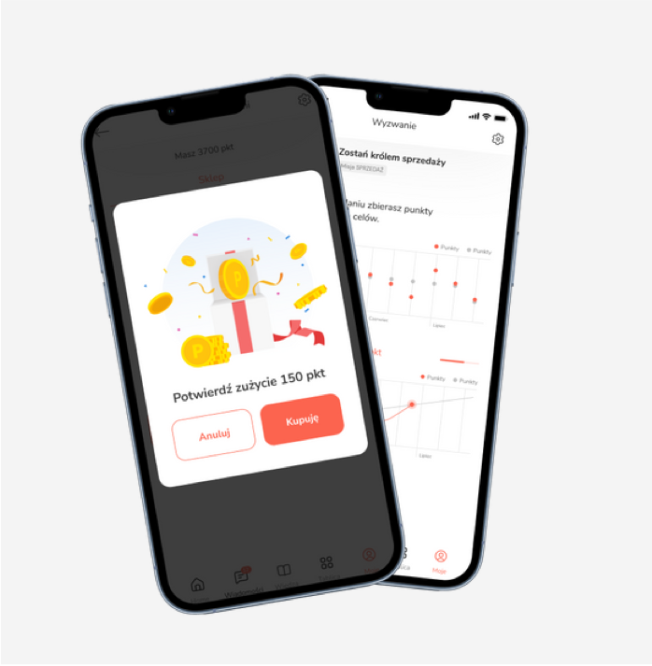
QUICO.IO: Workforce Training Platform
On-demand training for enterprise clients through SaaS-based microlearning. Coordination between trainers, trainees, and management across distributed workforce programs. Seamless onboarding workflows, automated progress tracking, and scalable infrastructure supporting rollouts across multiple enterprise customers.
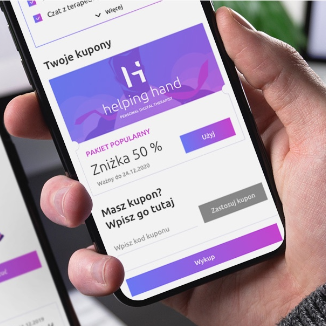
Helping Hand: Real-Time Therapy Platform
AI-powered therapy platform providing 24/7 accessibility across European markets. Multi-stakeholder coordination including therapists, patients, and support communities with healthcare compliance standards. Real-time matching between patients and available therapists, secure communication, and cross-platform consistency for sensitive service delivery.

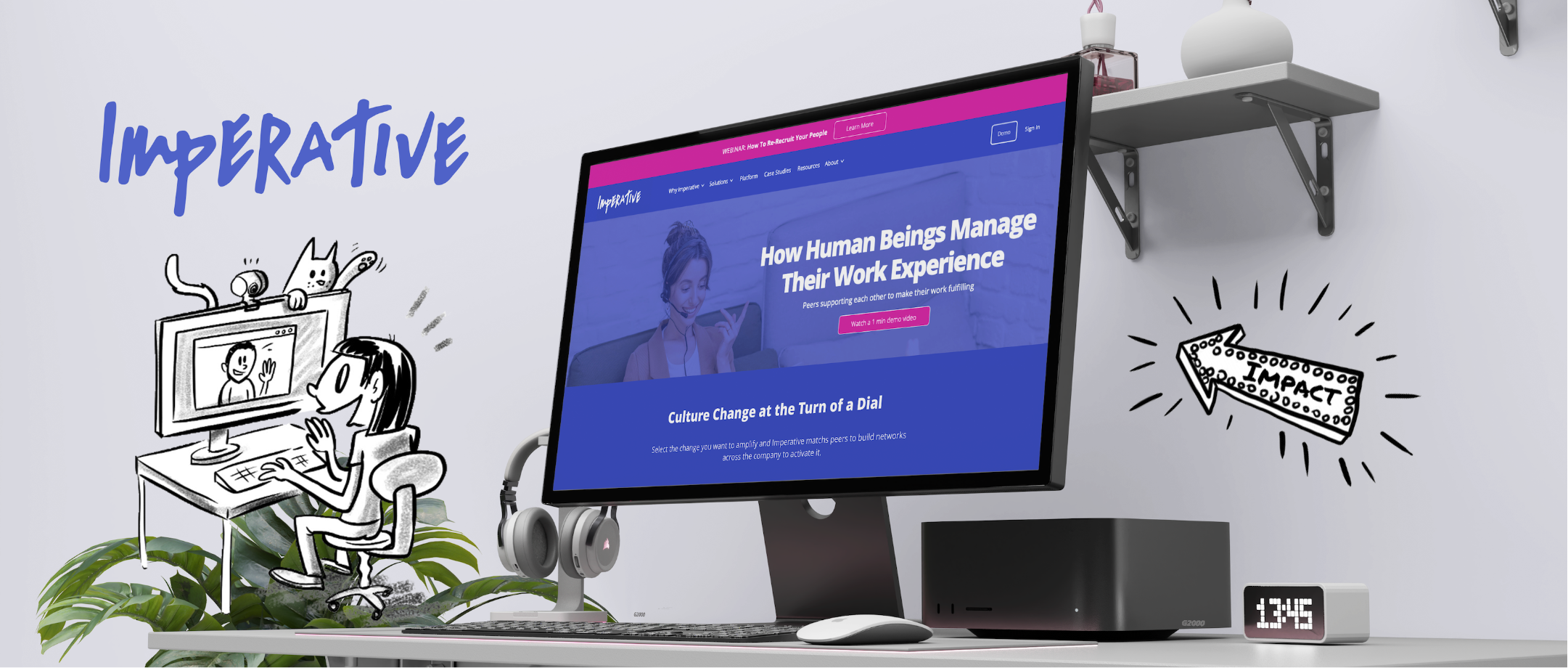
Imperative: Enterprise Peer Coaching
Matching platform for peer coaching deployed at Zillow, Service Express, and Hasbro. Intelligent employee pairing for coaching sessions with enterprise integration for authentication, scheduling, and performance tracking across distributed teams.
From Prototype to Production Platform
On-demand platform investment should match current requirements—not over-engineering for hypothetical needs, but not under-building infrastructure that requires costly rewrites. Our development spectrum ensures appropriate investment at each stage.


Proof of Concept: Validate the Model
Basic matching and booking with simple payment processing that validates marketplace concepts and user flows. Prove demand exists, test basic matching, demonstrate essential journeys without operational overhead. Deliverables: working prototype with matching, payments, and booking workflows proving viability.
MVP: Market-Ready Platform
Real-time tracking, notifications, and core marketplace features operating reliably. Matching algorithms, payment processing with splitting, GPS tracking, push notifications, and trust mechanisms like ratings and reviews. User experience validation, core functionality completeness, and scalable architecture supporting future enhancement without rebuilds.
Production: Logistics Optimization
Advanced logistics optimization, fraud prevention, and scalable matching for enterprise operations. Supply-demand balancing, dynamic pricing, fraud systems, analytics and reporting, enterprise integration. Platforms scaling to hundreds of thousands of users while maintaining performance.
Advanced: AI-Powered Systems
AI-powered demand prediction, dynamic pricing optimization, advanced route optimization, and predictive supply management. Machine learning for demand forecasting, automated pricing based on real-time conditions, predictive analytics for supply positioning, and personalization improving matching accuracy over time.
This progression ensures investment scales with marketplace growth while maintaining operational excellence at every stage.
Engagement Models
Every business has different constraints and preferences. We offer engagement models matching how your organization works—flexibility where you need it, predictability where you don’t.
Best for complex projects with evolving requirements
Time & Materials
For projects where requirements evolve, operational needs change, or you want maximum control over direction. You pay for actual work with detailed tracking and reporting. Works well for long-term partnerships, complex integrations, or platforms where discovery happens alongside development. Estimates upfront and budget updates—no surprises.
Best for well-defined scope with predictable requirements
Fixed-Price
When scope is defined and you need budget certainty. Works best for MVP development, specific feature additions, or platform migrations where requirements are stable. Requirements analysis included in quotes, deliverables documented before work begins.
Budget certainty with adaptive capability
Hybrid Approach
Many projects combine both—fixed-price for well-defined phases like initial platform development, then time and materials for ongoing optimization based on marketplace feedback. Budget predictability for core functionality while maintaining flexibility for iteration.
1–2 week assessment with detailed roadmap
Discovery Workshop
Every engagement starts with discovery—typically 1–2 weeks validating requirements, assessing feasibility, and providing estimates. You get information needed to make informed decisions about approach, timeline, and budget.
Always Included
Regardless of model: documentation, post-launch support, knowledge transfer, and commitment to long-term partnership. No hidden costs or surprise fees—everything transparent from the first conversation.
For deeper analysis of pricing models, see our comparison of Time and Materials vs Fixed Fee .
Long-Term Partnership:
Imperative Group
The best validation of our approach comes from partnerships that last. Rather than collecting testimonials from short projects, we prefer showing what sustained collaboration produces over years.
Partnership results:
- Complete technology leadership for their peer coaching platform
- 9+ years of continuous collaboration from startup to market leader
- $7+ million in revenue through the platform we built
- SOC 2 compliance and security implementation
- Daily communication and collaborative development
“One of the keys to our success was finding Jacek and Iterators. They’re great communicators. We’ve been in touch almost on a daily basis, collaborating on both a large and small scale. I’ve always had an authentic sense that they’re in it for our success first.”

What Long-Term Means
We don’t just deliver projects—we become part of your technology team. When clients achieve significant milestones, their success reflects the depth of partnership that defines how we work.
Teams Ready to Start
Team expertise and chemistry determine project success. We’ve built cohesive teams that integrate with your organization and deliver from day one. No recruitment delays, no ramp-up—senior professionals ready to work on marketplace challenges.
Senior-Level Expertise
Our teams have 5+ years experience in marketplace development and real-time systems. These aren’t junior developers learning on your project—they’re professionals who’ve solved matching algorithms, architected payment systems, and delivered marketplace platforms. Each team includes project managers, QA specialists understanding both automated testing and marketplace validation, and platform specialists with expertise in real-time processing, financial systems, and trust mechanisms.

Open Source Contributors
Staying current requires more than reading documentation. Our team members contribute to open source, publish technical content, speak at conferences, and participate in technology workshops. This isn’t professional development theater—it’s how we ensure your project benefits from current approaches and tested patterns.

Proven Remote Collaboration
Years of successful remote partnerships taught us how to integrate with existing teams and processes. Clear communication protocols, productivity across time zones, and working styles that complement your team rather than replace it. Knowledge transfer and sustainability built into how we work.

Long-Term Partnership Focus
We measure success by ongoing relationships, not project delivery. Many client partnerships span over a decade, evolving from single projects to technology partnerships. This perspective shapes every engagement—we’re building foundations for future growth, not just solving today’s challenges.

Technology Stack
Technology selections based on proven production performance, long-term viability, and alignment with your requirements—not framework popularity or personal preferences.
Backend: Scale and Performance
Scala and Play Framework for distributed, high-concurrency systems handling enterprise transaction loads. Node.js for API services and real-time applications. Python for data science and automation. Java and Spring Boot for enterprise integrations. For on-demand platforms: optimal matching engine performance and real-time sync capabilities.

Frontend and Mobile
React.js for complex, interactive web interfaces. React Native for native-quality mobile experiences with efficient cross-platform development. TypeScript for larger applications requiring enhanced reliability. Native iOS/Android when platform-specific capabilities are essential for marketplace functionality.

Infrastructure and DevOps
AWS and Azure for cloud infrastructure. Docker and Kubernetes for scalable deployments. Terraform for infrastructure-as-code ensuring consistent environments. CI/CD pipelines automating testing and deployment. On-demand deployment includes auto-scaling and real-time performance monitoring.

Data Management
PostgreSQL for ACID compliance and complex queries. MongoDB for document-based data and rapid prototyping. Elasticsearch for search and log analysis. DataDog for performance monitoring. BI platforms for marketplace reporting and dashboards.

Why Technology Selection Matters
Our selections prioritize: proven scalability in production, long-term maintainability, industry-standard security, and cost-effective operation. We choose tools that serve your marketplace for years—stability over novelty.

Evolution Without Disruption
We continuously evaluate new technologies and contribute to open source. But we implement new approaches in production only after thorough evaluation—innovation without unnecessary risk.

Frequently Asked Questions
Timelines depend on complexity, integrations, and feature scope. Basic matching and booking: 2–4 months. Marketplace platforms with logistics optimization: 6–12 months depending on payment processing and third-party integrations. Our discovery workshop provides detailed estimates based on your requirements. We prefer realistic timelines ensuring quality over rushed schedules compromising reliability.
Everything needed for successful launch: matching engine development, payment processing with multi-party splits, GPS tracking and route optimization, testing across devices and scenarios, push notifications, trust and safety mechanisms, documentation, deployment with monitoring, post-launch optimization, and knowledge transfer. No surprise costs—when we commit to scope, we deliver everything needed for success.
Security and compliance are built in from day one. PCI DSS compliant payment processing. Encryption at rest and in transit. Fraud detection and prevention. Regular security audits using both automated tools and manual penetration testing. For enterprise clients: SOC 2 compliance, audit trails, and advanced access controls. All payment processing thoroughly tested with rollback procedures.
Launch begins the partnership. We provide monitoring ensuring optimal performance, gather feedback identifying improvement opportunities, implement optimizations based on usage patterns, and offer ongoing development as your marketplace grows. Reactive issue resolution and proactive optimization identifying problems before they impact users. Many clients continue working with us for years.
Yes—and we’re good at it. We work as an extension of your team, take ownership of specific components while maintaining seamless integration, provide mentorship and knowledge transfer, or lead technical aspects while collaborating with stakeholders. Our approach is collaborative—we amplify your team’s capabilities rather than replacing them.
Requirements evolve—our process accommodates change while maintaining momentum. Agile methodologies building flexibility into development. Regular reviews where you adjust direction. Detailed change tracking for transparency. Time-and-materials and fixed-price options depending on your preference. We deliver software meeting actual needs, which sometimes means adapting as you learn more through seeing working systems.
Start a Conversation
Starting a conversation doesn’t require procurement or formal commitments. The best partnerships begin with understanding.
Our conversations help you clarify requirements, explore approaches, and understand what’s possible within your timeline and budget. These aren’t sales calls—they’re planning sessions where we share insights from similar projects and help you make informed decisions. Whether you’re exploring options or ready to move forward, we provide honest guidance tailored to your situation.
During consultation: your challenges and objectives, technical approaches, insights from similar projects, realistic timelines and options, and answers to your questions about our process and team. You leave with clearer understanding of your options and next steps—regardless of whether we work together.
We respond within the same business day. Most consultations scheduled within 48 hours of first contact. Our team includes marketplace specialists who understand both technical and business aspects of on-demand challenges.
Schedule through our calendar for immediate confirmation. Call for same-day availability. Email with specific questions and we’ll respond with detailed insights. We accommodate your preferred communication style, including early morning or evening calls for international coordination.
We provide value in every interaction, whether it leads to a project or not. Our reputation is built on honest assessments and realistic recommendations—not sales tactics. Many of our best client relationships started with informal conversations that evolved into partnerships over time.
The most common feedback about our initial conversations: appreciation for our direct approach and willingness to share insights freely before any formal engagement. Great partnerships start with transparency and mutual respect—values that guide every interaction.

Jacek Głodek
Founder & Managing Partner
of Iterators